”
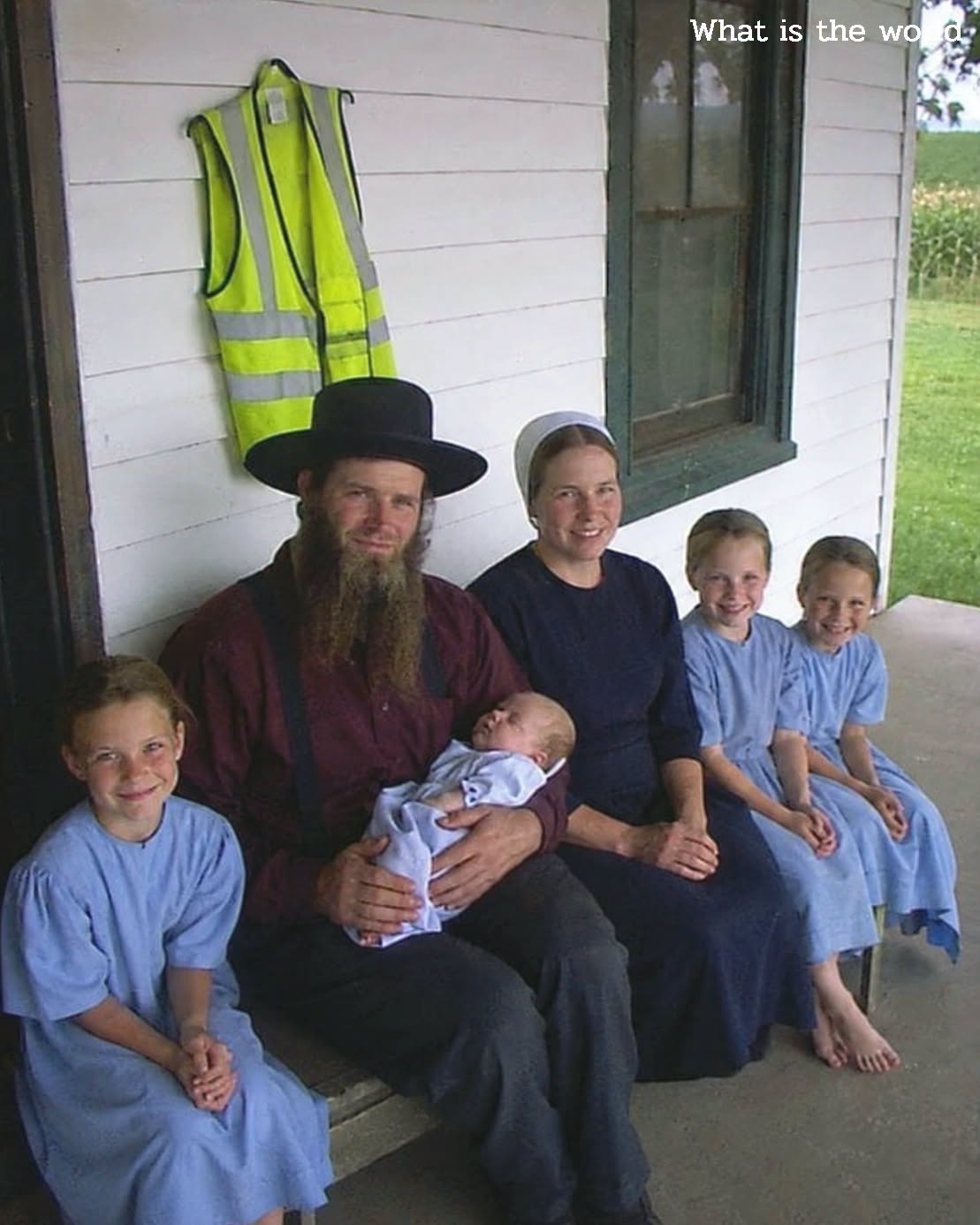
The threats escalated over the following months. Benton’s visits became more frequent and more aggressive. According to Ruth, he made veiled threats against the children, suggesting that Jacob’s failure to pay would have “consequences” for the family.
“He never said exactly what he would do,” Ruth explains. “But the way he looked at the children, the way he spoke… Jacob and I understood. He was threatening our babies.”
In March 1992, after a particularly threatening encounter, Jacob made a decision. He would build a hiding place in the barn where the family could stay when Benton came around, where they could conceal themselves until he left.
“Jacob worked at night,” Ruth says. “He carved out that room from the barn’s back corner, soundproofed it with straw and cloth, built the secret door. It took him three weeks. He told the children it was a game, that we were practicing hiding.”
The family began sleeping in the hidden room whenever they heard Benton’s truck approaching. They’d quickly gather essentials—blankets, food, water—and seal themselves inside until he left.
“It was terrifying,” Ruth says. “The children would cry. Baby Mary couldn’t understand why we had to be quiet, why we were hiding. David had nightmares. But we were too afraid to do anything else.”
By early summer, it became clear they couldn’t continue living this way. The children were showing signs of trauma. The farm was suffering from neglect as they spent more time hiding than working. And Benton’s visits were becoming more frequent.
“Jacob said we had to leave,” Ruth recalls. “I asked him how. We had no money, nowhere to go, no way to escape without Benton finding us. That’s when Jacob went to see Benton one last time.”
What Jacob negotiated with Benton remains partially unclear, as both men are now dead. But based on Ruth’s account and the timeline of events, it appears Jacob made a deal: if Benton would allow them to leave Ohio peacefully, Jacob would sign over the farm and consider the debt settled.
“Jacob wanted it in writing,” Ruth says. “But Benton refused. He said Jacob’s signature on the deed transfer was all he needed. If Jacob kept his end—leaving Ohio and never coming back—Benton would keep his end and not pursue them.”
The deal was struck. On the night of July 13, 1992, the Miller family loaded what they could carry into their buggy. They left everything else behind—the farm, the animals, most of their possessions, their entire life.
“We left that morning’s breakfast on the table,” Ruth says. “Jacob said it would look like we’d just stepped out, like we were coming back. He didn’t want people to think we’d planned to leave. He wanted it to look like a mystery.”
The plan was for the family to travel by buggy to a prearranged meeting point several miles away, where an Amish man from a neighboring district—someone who owed Jacob a favor—would transport them by covered wagon to Indiana. From there, they would disappear into a new Amish community under new names.
“But when we left that night,” Ruth says, her voice dropping to barely a whisper, “Benton was there. He followed us in his truck to make sure we actually left. He wanted to see us go.”
Margaret Stevens’s testimony confirmed this account—she’d seen both the buggy and Benton’s truck that night.
The family reached their contact, transferred to a covered wagon, and made the journey to Indiana over several days. They arrived in Elkhart County in late July 1992, exhausted, traumatized, and grateful to be alive.