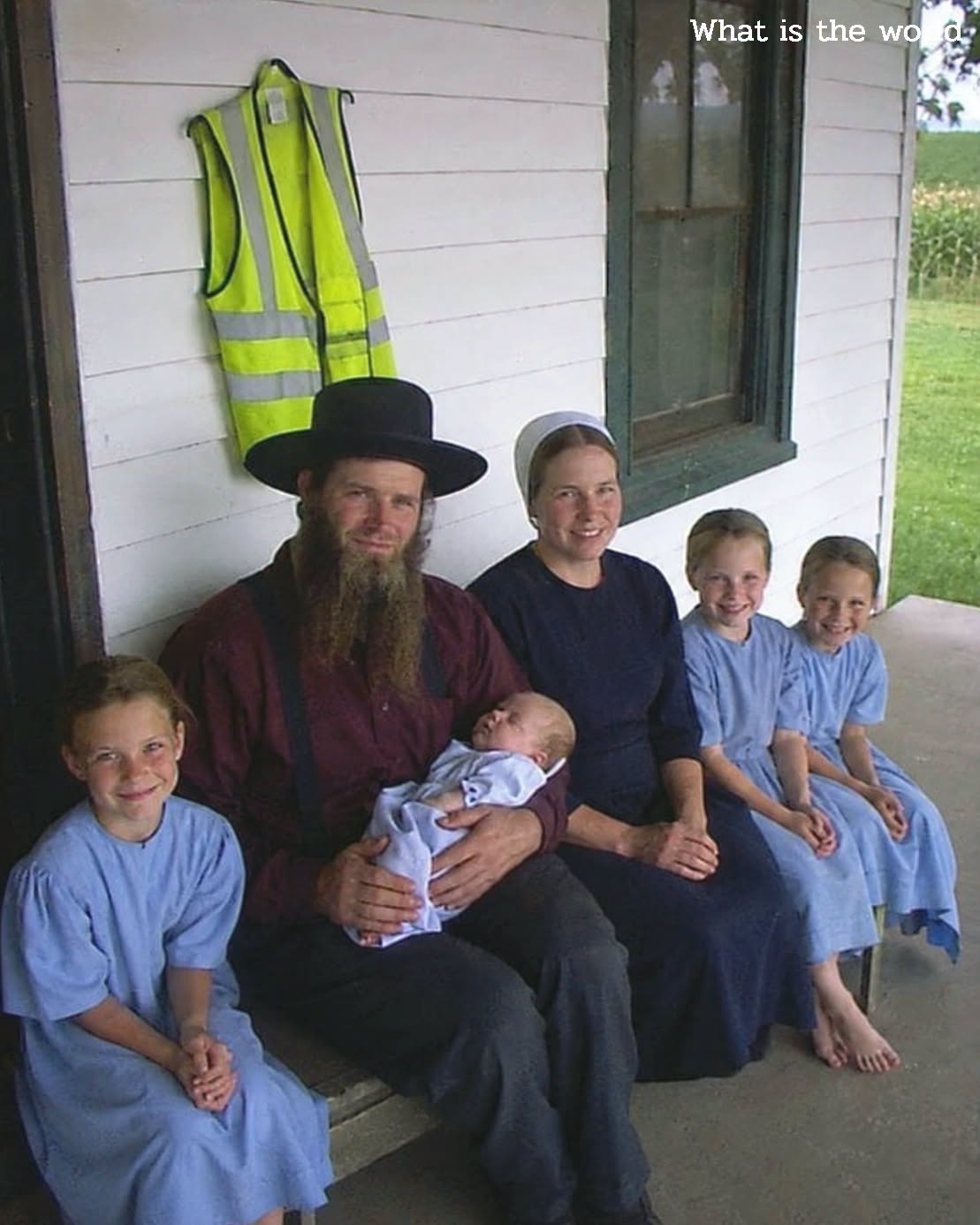
His wife “Rebecca” and their children had moved shortly after his death, relocating to a Mennonite community in Kentucky, where record-keeping was even more sparse.
This meant Ruth Miller—if she’d survived—might still be alive.
Finding Ruth
Locating Ruth took another three months of investigation, working with Mennonite church contacts who connected Detective Martinez with progressive Mennonite communities in Kentucky.
In February 2013, Martinez found her.
Ruth Miller, now fifty-eight, was living in a small house near a Mennonite church in Bowling Green, Kentucky. She worked at a quilt shop, lived alone, and attended church regularly under the name Rebecca Stoltzfus.
When Martinez knocked on her door and gently explained that she knew Ruth’s true identity, Ruth’s response was immediate: she broke down crying.
“She’d been carrying this secret for over twenty years,” Martinez says. “She’d fled her home, lived under a false name, raised her children in hiding, buried her husband under an assumed identity, and never told anyone the truth. The relief of finally being able to tell her story was overwhelming.”
Ruth agreed to speak with investigators. What emerged was a harrowing tale of intimidation, fear, and survival.
Ruth’s Story
Ruth Miller speaks softly, her English heavily accented with Pennsylvania Dutch inflections. Now sixty-two, she lives openly under her real name in a small Mennonite community, no longer hiding but still carrying the weight of those years.
“Jacob was a good man,” she begins. “A good father, a good husband. He worked hard. He tried to do right. But he made a mistake borrowing from Charles Benton.”
The loan, Ruth explains, seemed reasonable at first. Jacob needed equipment for his carpentry business—a new band saw, planers, tools that would allow him to expand beyond basic furniture into more elaborate pieces that brought better prices.
“We thought we could pay it back easily,” Ruth says. “Jacob’s work was popular. Orders came regularly. We had a plan.”
But when Jacob’s payment was a week late in December 1991—delayed because a customer’s payment had been late—Benton invoked the immediate repayment clause.
“He came to our home,” Ruth recalls, her hands trembling even now at the memory. “He said Jacob had violated the contract. He said we owed everything immediately. When Jacob said he couldn’t pay it all at once, Benton became angry. He said he would take our farm, our home. He said he would make sure we had nothing.