.
“I only saw it for a moment,” Stevens says. “But I recognized the truck. It was Charles Benton’s. I’d seen it around the area before. He was following them.”
Stevens didn’t report what she’d seen. “I thought maybe they were just traveling somewhere, maybe there’d been a death in the family or something. I didn’t want to gossip. And honestly, Benton scared me. He had a reputation for being vindictive. I didn’t want trouble.”
Her testimony, combined with vehicle registration records and property deeds, opened a new avenue of investigation. Detectives traced Benton’s movements from 1992 until his death in 2005.
What they found suggested a possibility both chilling and logical: Benton hadn’t just been following the Millers that night. He’d been escorting them out of Ohio under conditions that amounted to forced deportation.
“We believe Benton gave Jacob an ultimatum,” Martinez explains. “Leave voluntarily and he’d consider the debt settled. Stay, and he’d seize the farm and possibly harm the family. Given the hidden room and the evidence of months of hiding, we believe the family was genuinely terrified of what Benton might do.”
The question remained: where had they gone?
The Trail Across State Lines
Following Margaret Stevens’s testimony, investigators began searching property records, Amish community registries, and birth/death certificates across neighboring states, focusing on communities the family might have fled to.
The breakthrough came in Indiana.
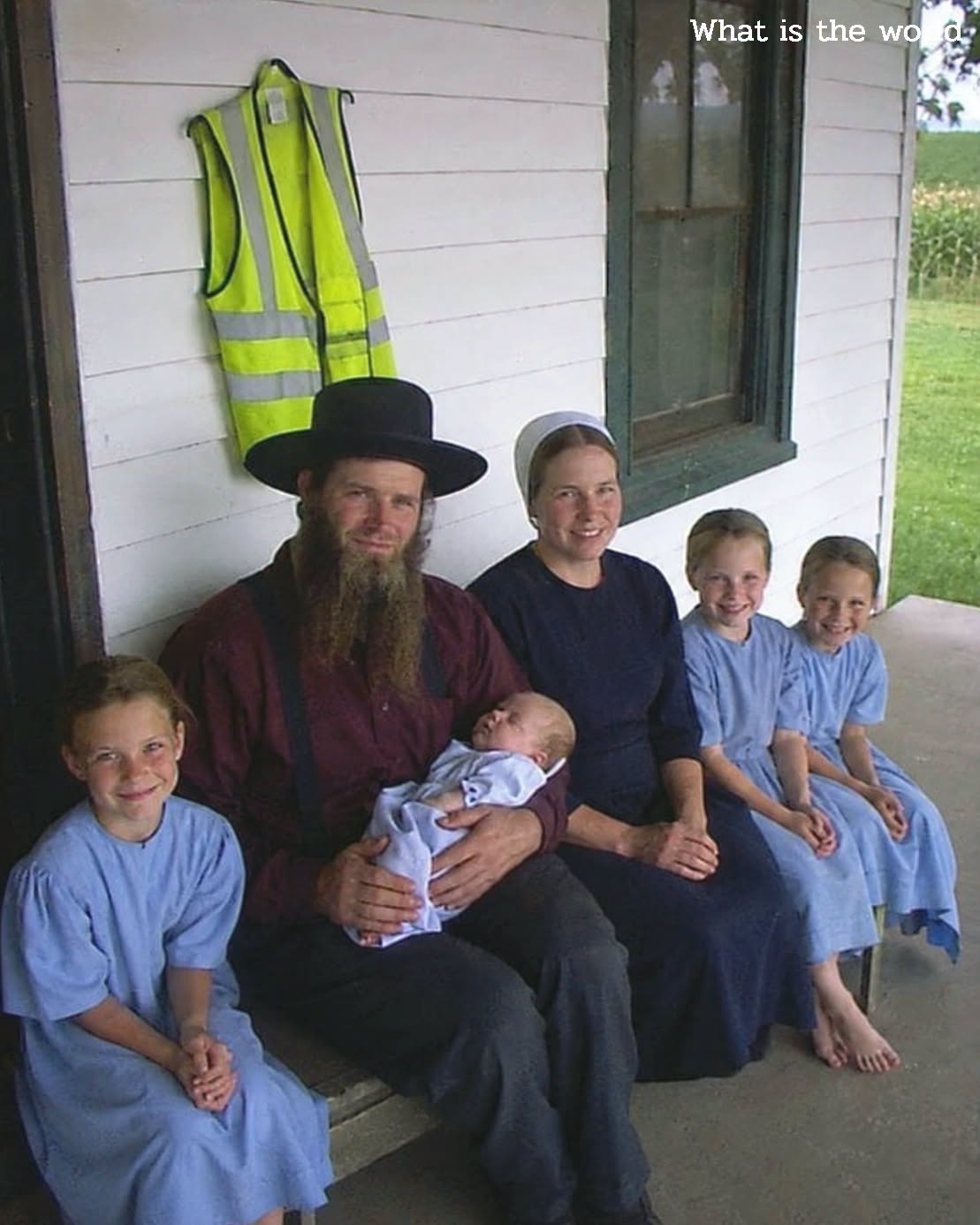
In October 1993—fifteen months after the disappearance—a “Joseph Miller” registered as a new member of an Old Order Amish church district in Elkhart County, Indiana. Joseph Miller, his wife Rebecca, and their four children had moved from “Pennsylvania” according to church records (the Amish often simplify their geographic origins when registering in new communities).
The names were different. But the ages aligned perfectly with the missing Miller family, adjusted for the time that had passed.
“Amish communities don’t do background checks,” explains Dr. Weaver-Zercher. “If someone arrives claiming to be Amish, speaking Pennsylvania Dutch, knowing the practices and prayers, they’re generally accepted. There’s a level of trust within the community.”
Detective Martinez traveled to Indiana in late 2012 and met with church elders in Elkhart County. They confirmed that “Joseph Miller” and his family had lived in their community from 1993 until 2001.
“He was quiet, kept to himself more than most,” recalls Bishop Samuel Bontrager. “He was a skilled carpenter, worked hard. The family seemed… burdened. Like they carried heavy weight. We respected their privacy.”
Joseph Miller—the man investigators now believed was Jacob Miller—died in February 2001 of a heart attack at age forty-eight. He was buried in the Amish cemetery under his assumed name.