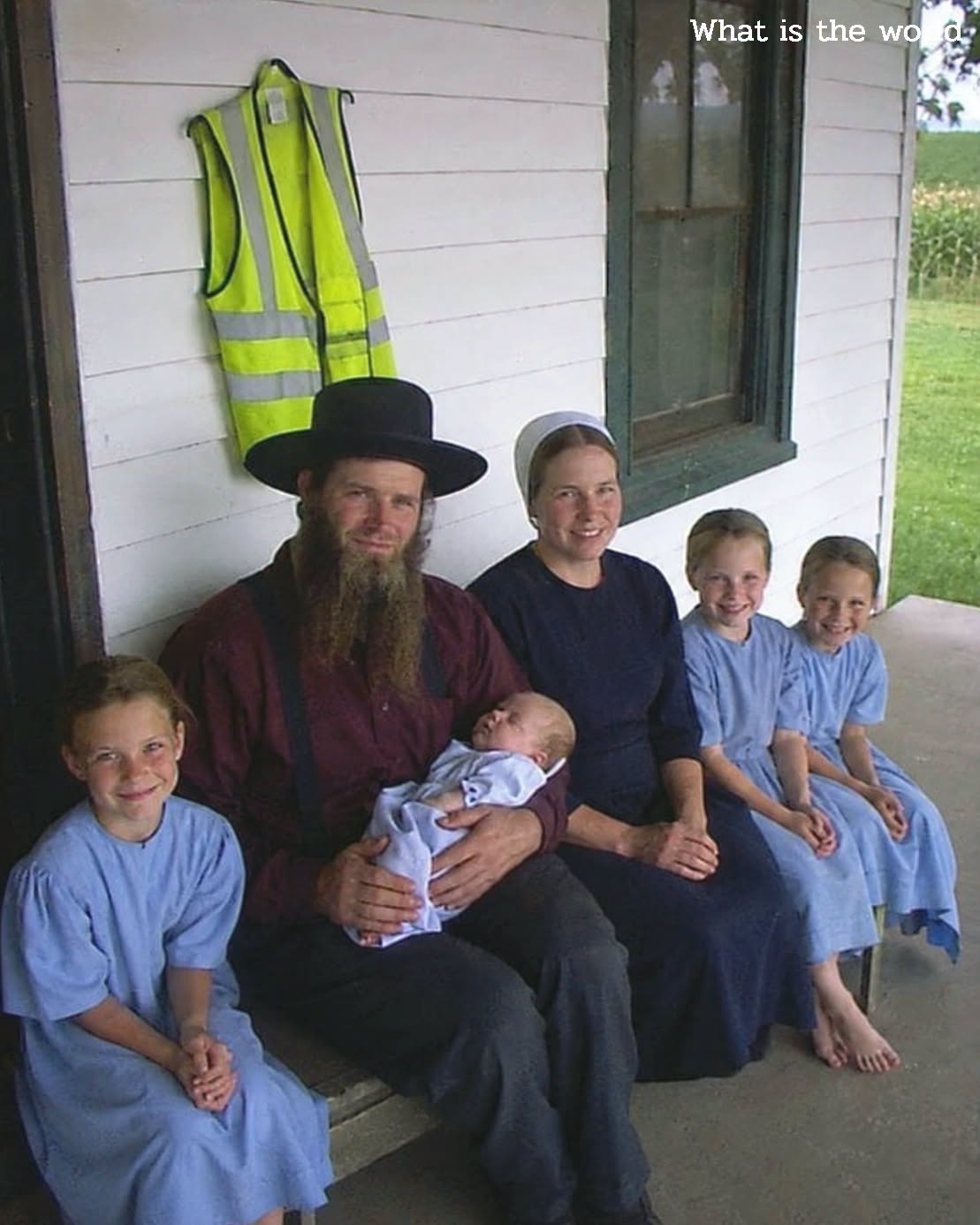
In March 1991, Jacob Miller had taken out a $15,000 loan from Charles Benton, a local businessman who operated what amounted to a private lending service targeting Amish farmers. The Amish, generally avoiding involvement with conventional banks due to religious principles about debt and modern financial systems, sometimes turned to private lenders within their community or sympathetic outsiders.
Benton, sixty-eight in 1991, had been lending money to Amish farmers for decades. On the surface, he appeared to be providing a service—offering loans without requiring the credit checks, Social Security numbers, and modern banking paperwork that made traditional lending incompatible with Amish practice.
But interviews with other Amish families who’d borrowed from Benton revealed a darker pattern.
“He was a loan shark,” says Jonas Beiler, who borrowed from Benton in the 1980s. “He’d offer reasonable terms at first, but if you fell behind, he’d add fees, increase interest, threaten you. And because we’d signed papers without lawyers, without fully understanding English legal language, we had no recourse.”
Jacob Miller had borrowed the $15,000 to purchase equipment for his carpentry business—a substantial amount for an Amish family, but not unreasonable for business expansion. The terms, according to documents found in Benton’s records after his death in 2005, seemed fair: 8% interest, three-year repayment term.
But buried in the contract was a clause that allowed Benton to “call the loan” due immediately if he deemed the borrower to be at risk of default. And the contract gave Benton the right to seize property—including land—as collateral.
In December 1991, when Jacob made his scheduled payment a week late due to slow winter business, Benton invoked the clause. He demanded the full remaining balance—approximately $13,000—within thirty days, or he would seize the Miller farm.
“For an Amish family, losing their land is losing everything,” explains Dr. David Weaver-Zercher, a historian specializing in Amish studies. “Land is generational wealth, family identity, their means of supporting themselves. It’s not just an economic loss—it’s spiritual and communal devastation.”
Jacob couldn’t raise $13,000 in thirty days. Borrowing from family or community members would have exposed his financial troubles and brought shame. Asking the church for help would have required confessing to debt—a practice many Amish try to avoid.
According to witness statements collected in 2012, Benton visited the Miller farm multiple times in early 1992. Neighbors reported seeing his truck near the property. One Amish farmer, Amos Fisher, recalled encountering Benton and Jacob in a heated discussion near the Miller property line.
“Jacob looked frightened,” Fisher recalls. “I’d never seen him look that way before. And Benton was aggressive, pointing his finger, raising his voice. I asked if everything was alright. Benton told me to mind my own business. Jacob just stood there, silent.”
The final confrontation apparently occurred in late March 19